Social Challenges in Territories: From Misunderstanding to Partnership
Scientific methods for solving problems where business, government, and local community interests intersect with nature conservation. My experience managing protected areas helps identify growth opportunities even in the most complex situations.
studies
turned into dialogue
programs
For Those Facing Social Conflicts in Territories and Seeking Science-Based Solutions
Addressing socio-environmental conflicts and need objective data? I'll conduct diagnostics and create a roadmap for transitioning from crisis to sustainable territory development.
Does your activity in sensitive territories require a social license? I'll help chart a path from conflicts to partnership through objective research and community engagement.
Do conflicts with local residents hinder your reserve's work? I'll develop a stakeholder engagement system based on sociological data, not intuition.
Need sociological research for grant applications with limited resources? I'll adapt data collection methodologies to improve application quality and social impact assessment.
Conflict Out of Nowhere?
This Is Just the Tip of the Iceberg
Resident dissatisfaction, complaints, misunderstanding — these are symptoms. Fighting symptoms is pointless. You need to find and eliminate the root cause, and that requires objective data.
Projects Stall Due to Resistance
Any initiatives (construction, creating protected areas, launching programs) face unexplained resistance. Negotiations reach a dead end.
Resources Are Wasted
You invest in territory development, but loyalty doesn't grow. It's unclear what works and what doesn't. There are no metrics to assess social impact.
Risks to Reputation and Social License to Operate
The conflict goes public, attracting media and regulatory attention. Stakeholder trust declines.
Decisions Made "Blindly"
You act on assumptions, stereotypes, or emotions rather than understanding people's real interests and fears.
Good news: these problems are solvable if you shift from fighting symptoms to investigating root causes. That's exactly what I do.
Why Don't Conflicting Parties Hear Each Other?
Because they speak different languages. This is discommunication. Local residents talk about their well-being and traditions. The organization talks about laws, technologies, and global goals. Without a "translator" who can find common conceptual language based on facts, dialogue is impossible. My role is to be that translator and bridge.
Why Do My Sociological Studies Change the Situation, Not Just Collect Data?
Practitioner, Not Theorist
For 12 years I led protected areas and was on the administration side facing these problems. I understand the logic of business, residents, and conservation alike.
Deep Diagnostics Instead of Surface-Level Surveys
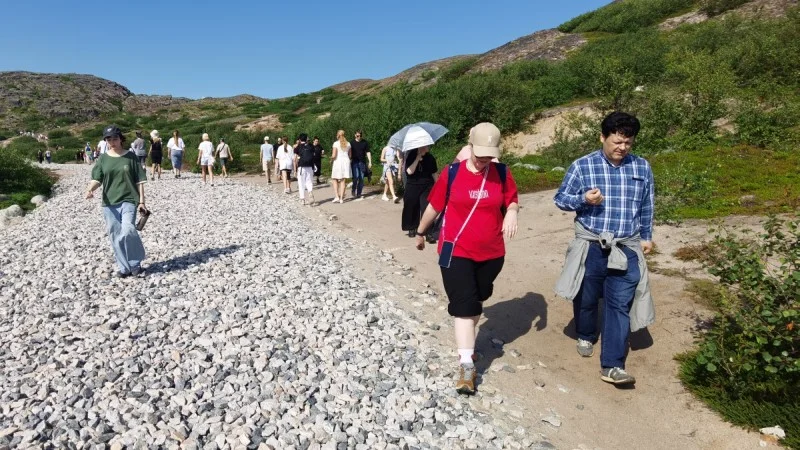
As in the Teriberka study, I find root causes of conflicts, not symptoms, and show practical paths to solutions.
From Data to Concrete Actions
You receive not a thick report, but a step-by-step roadmap with priority measures and implementation methods.
Focus on Engagement, Not Just Study
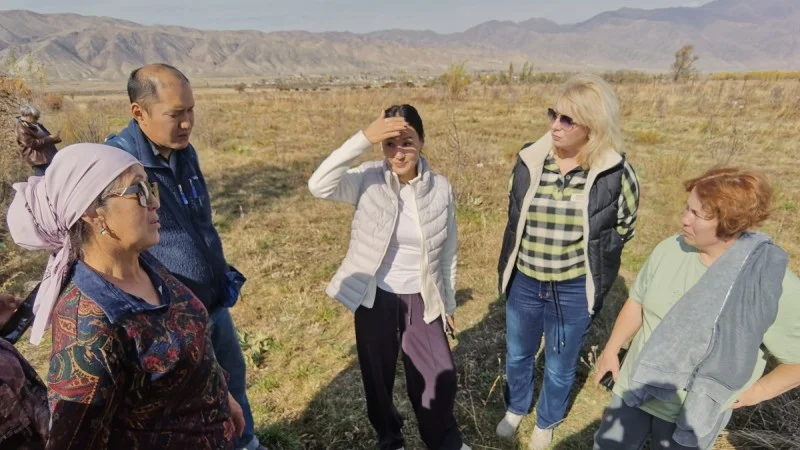
My studies themselves become a dialogue tool, as in Kyrgyzstan, where an anonymous survey of local residents became the first step toward partnership with the protected area.
Sustainable Solutions Are Born at the Intersection of Interests
My key insight from working in protected areas: the long-term success of any territory-based project depends not only on planned conservation outcomes, but also on how well it accounts for the interests of people living there. If a project aims at both people's well-being and nature conservation — it becomes sustainable and self-sustaining.
This principle is universal.
How Research Works:
From Misunderstanding to Action Plan
A transparent process that delivers results at every stage
Task Definition and Contextual Analysis
Deep immersion: we study documents, background, and your goals. We formulate hypotheses about conflict causes.
Field Stage: Data Collection
Field visit. Anonymous and confidential interviews with key groups: local residents, your staff, administration representatives, activists. Data collection where conflict occurs or changes are planned.
Analysis and Identifying "Bottlenecks"
Information processing, identifying hidden patterns, economic and cultural causes, analyzing communication breakdowns.
Developing Recommendations and Action Program
Based on data, we create concrete proposals: how to change communication, which pilot projects to launch, how to build dialogue. This is a ready-to-implement plan.
Launch Support (Optional)
Help with concrete steps for implementing communication strategy, facilitating stakeholder meetings, monitoring or adjusting the plan based on feedback.
Timeline: From 2 months (express diagnostics) to 4-12 months (comprehensive research with support).
Research in Kyrgyzstan Opened the Path to Snow Leopard Conservation
An anonymous survey of local residents revealed the true causes of conflict and laid the foundation for practical solutions by the protected area and international fund.
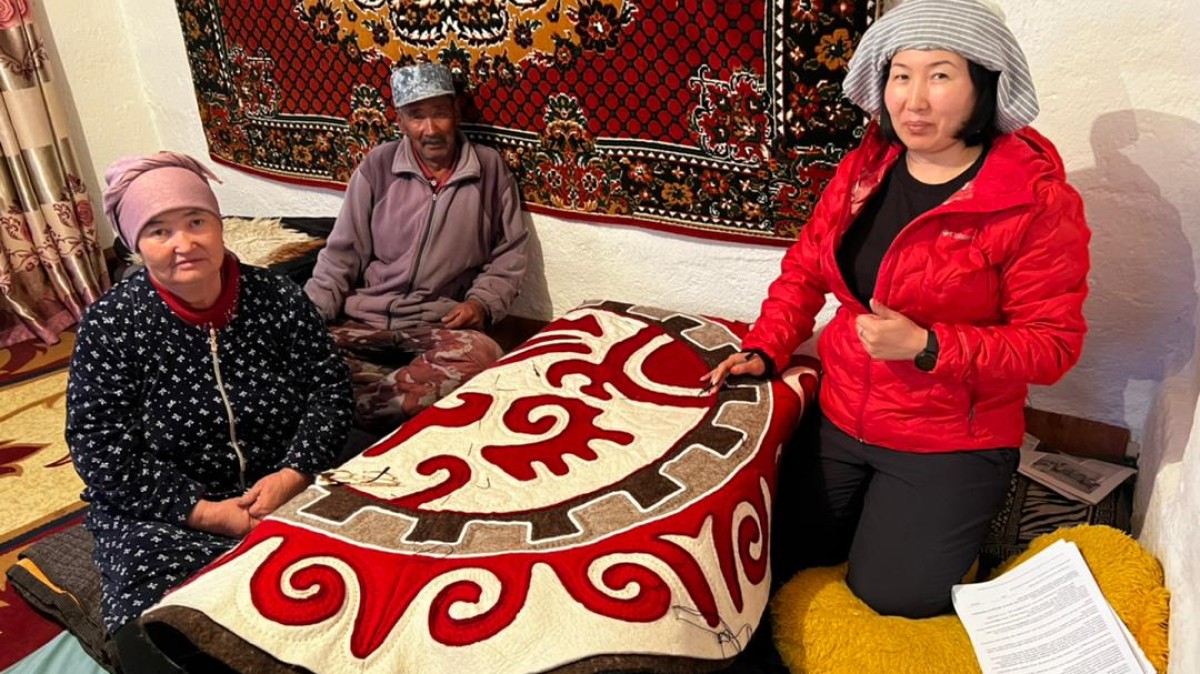
Challenge: The success of a project implementing modern conservation methods in two Kyrgyz protected areas depended on local community support. However, the client had only assumptions about residents' attitudes toward the territory and the snow leopard. Without objective data, any actions — whether awareness campaigns or restrictions — carried high risk of being ineffective or even worsening tensions.
Solution: I designed and conducted an anonymous survey of 90 residents from remote villages to replace subjective assumptions with objective facts. Analysis revealed a key insight: people are proud of the snow leopard as a symbol of their land, and poaching stems not from hostility but from lack of alternative income sources to livestock. Meanwhile, 87% of respondents expressed willingness to cooperate with the protected area and interest in tourism development, but didn't know where to start.
Outcome
- ✓ The client (WCS/CEPF) received not just a report, but a foundation for management decisions: a clear picture of community motivations and three practical action directions — targeted awareness work, building public support, and most importantly, developing tourism as a sustainable income source for local residents.
This case shows how objective data helps identify growth opportunities even in complex socio-environmental situations. My dual expertise — practical experience managing protected areas and sociological analysis skills — allows me not just to collect information, but to immediately translate it into concrete steps. If your activity — whether conservation, resource extraction, or land use — depends on local community attitudes, this approach will give you clarity and a scientific basis for decision-making.
How I Found Growth Opportunities
in Complex Socio-Environmental Conflicts
Real projects for business, regional authorities, and protected areas where scientific methods helped overcome confrontation and create sustainable territory development. Each case started with objective diagnostics instead of emotional decisions.
What Will You Gain from Our Collaboration?
Concrete Tools and Clarity Instead of Uncertainty and Conflict
Objective Situation Diagnosis
You'll receive not an opinion, but a structured data-based analysis: what people actually think, what are the hidden causes of tension, where growth opportunities for dialogue lie.
Everything About Stakeholder Communication
From channel selection to trusted sources. This guarantees you'll finally hear each other.
Action Program or Roadmap
A concrete, step-by-step plan for moving forward: what to change in communication, which "beacon" projects to launch first, how to build regular dialogue with stakeholders.
Reduced Uncertainty and Risk Levels
You'll understand the logic of what's happening and gain tools to manage the situation. This reduces reputational and operational risks, especially for business.
Foundation for Long-Term Engagement Strategy
Research findings will become the foundation for building sustainable relationships with the local community, which is critical for long-term work in the territory.
Honestly about the main thing: A sociological study doesn't magically resolve conflict. It provides a map and compass — understanding of the situation and direction for movement. Real changes happen when you start applying recommendations in practice. My task is to make this map as accurate as possible, and the compass as reliable.
Experiencing Difficulties in Relations
with the Local Community?
Tell me about your situation. Let's see how my experience solving similar problems in protected areas
can be useful for your organization or project.