Concepts for Sustainable Tourism on Natural Territories
I develop working solutions that attract visitors, preserve nature, and consider local community interests. My experience creating successful facilities in protected areas will help you avoid typical mistakes and risks.
facilities
approvals
while maintaining balance
For Those Seeking Balance Between Economic Benefits from Tourism and Preservation of Natural Values
Looking for partnership with protected areas, unique products, and sustainable business without conflicts? I'll create facility concepts that attract guests and are safe for nature.
Developing a tourism cluster as an economic driver but concerned about overtourism? I'll develop a business partnership model for balanced territory development.
Want to turn tourism into a nature conservation tool? I'll create a strategy where territory visits build public support and solve conservation tasks.
Want more sustainability in nature tourism? I'll help engage local communities in tourism projects, reducing social risks and creating unique, authentic offerings for guests.
Why Do Many Tourism Projects on Natural Territories Fail or Create Problems?
Typical Challenges Business and Regional Authorities Face in Tourism Development
Unclear Goals and Format
"Develop tourism" — clear enough. But what kind? What product will be in demand without harming nature? There's no clear vision or calculations.
Resistance and Conflicts
Environmentalists, inspectors, or local residents may oppose. There's no understanding of how to combine economic interests with environmental and social ones.
Risk of Repeating Others' Mistakes
Examples of overloaded territories (Baikal, Teriberka) are frightening. How to plan development without killing the "golden goose"?
Lack of Comprehensive Approach
Focus only on profit or only on nature leads to unbalanced solutions that don't work in reality.
Good news: these problems are solvable. A properly designed, scientifically grounded concept becomes a tool for nature conservation and stable income. My experience creating working concepts will help you avoid these traps.
Why Tourism Where the Main Goal Is Conservation?
Almost everyone asks this question — both protected area staff and investors. The answer lies in the right approach. Proper tourism is not a threat, but a tool. A tool for preserving wilderness, building public support, and creating alternative income sources for local residents. My work often starts with a seminar where we find this answer for your specific territory.
Why Do Clients Come to Me for Concept Development?
Author of a Proven Methodology
I developed and apply a system for creating nature-based tourism foundations that has been tested on real protected area projects. This is not theory.
Experience "On Both Sides of the Barricades"
For 12 years I led a nature reserve. I know how protected area teams think, understand their limitations and concerns. This helps create implementable concepts that will get approval.
Comprehensive Approach from Meanings to Infrastructure
I work at all stages: from idea formulation and meaningful content to author's supervision during design and construction, so the original vision isn't lost in implementation.
Focus on Engagement and Dialogue
Any concept is doomed without key stakeholder support. I build dialogue mechanisms with local communities and protected area teams into projects from the very beginning.
4 Components of Ecological Tourism
Every development I create is based on a system tested in practice:
1. Natural Character — authenticity and connection with wilderness as the main value.
2. Minimal and Controlled Impact — nature-saving infrastructure, monitoring of anthropogenic impact.
3. Conservation Effect — how will the project help nature conservation? (Through education, changing social norms, funding, etc.).
4. Social Integration — consideration of interests and benefits for the local community. This is not theory. This is a framework that makes a tourism project sustainable.
How Is a Concept Created?
A Clear Process That Leads to a Concrete Result
Territory and Context Analysis
I study natural and cultural resources, infrastructure, target audience, regulatory frameworks. I conduct meetings with key stakeholders (administration, protected areas, business, local residents).
Collaborative Vision Development
I help formulate the mission, goals, and principles of the future tourism product.
Creating a Detailed Concept
I develop a document that includes: core meaning, detailed goal elaboration, thorough target audience analysis, developed thematics.
Development of Planning and Spatial Solutions
Functional zoning and territory planning, spatial distribution of thematics, routing for target groups.
Implementation Support (Optional)
I join the team and work with designers, engineers, interpreters.
I help preserve the original vision (author's supervision).
Format and Timing: Concept development — 1-3 months, depending on facility complexity.
From a Dirt Road to a Visitor Center: How "Semibratka" Became a Model of Sustainable Tourism for Taganai National Park
Development of a concept that turned an unorganized visitation point into a popular facility that builds public support for the protected area and solves territory tasks.
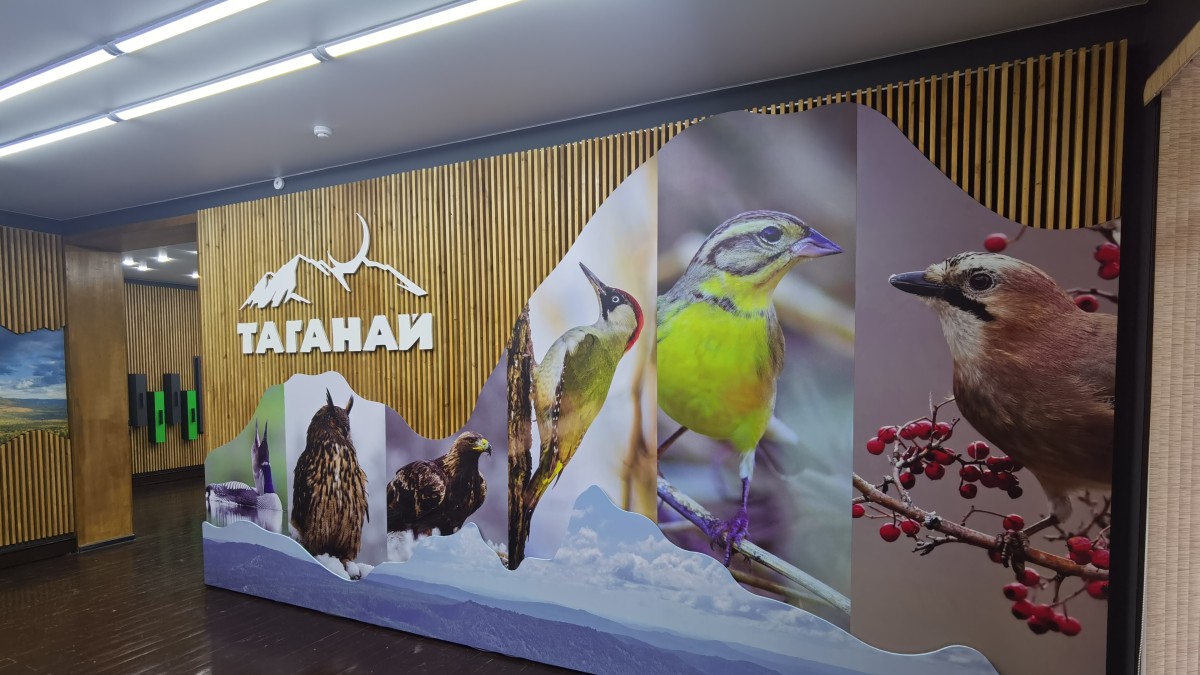
Challenge: The "Seven Brothers" tract (Semibratka) is one of the main entrances to Taganai National Park, with annual park visitation of about 200,000 visitors. But Semibratka was "ground zero": a dirt road, spontaneous roadside parking, a network of trails leading deep into the protected area. There was no information, no infrastructure, no clear rules. The key challenge was conflicting interests: local residents saw it simply as a forest for picnics, hiking tourists saw it as a starting point without "extra" civilization, and the park couldn't fulfill its educational mission or manage the flow.
Solution: I applied an original methodology where the focus is not on the facility, but on balancing territory goals and audience needs.
Step 1: Analysis Without Compromise. I thoroughly segmented all visitors (from Zlatoust residents to visiting tourists) and identified their true motives and "pain points." This allowed speaking to each group in their language.
Step 2: Design Through Synthesis. Instead of ultimatums, I created a concept that integrated all interests. For locals — comfortable parking, gazebos, and local history. For tourists — logical navigation and route information. For the park — a central element: a modern visitor center whose exposition doesn't "lecture" but engages through interactivity and emotions (for example, bird feeders right by the panoramic window).
Step 3: Focus on the Main Thing — Protected Area Support. Every element, from layout to text on displays, worked toward the key goal: to form visitor understanding and pride in the park, showing their personal role in nature conservation.
Outcome
- ✓ For Visitors: It became a comfortable, modern, and interesting starting point. They get needed information easily and with pleasure.
- ✓ For the Park: A powerful communication tool emerged. "Semibratka" now works on image, builds public support, and engages people in the conservation agenda.
- ✓ For the Territory: Conflict of interests resolved. Local residents are proud of the updated place, tourists received quality service, and the load on nature became manageable.
This case is a ready-made algorithm for any territory facing tourism development. Whether it's a federal national park, a region planning a cluster, or a tourism business wanting to work with protected areas legally and sustainably. I don't just draw beautiful facilities. I create a social contract in the form of infrastructure: finding balance between audience demand, economics, and the conservation mission. If you need to turn a problematic place into a growth point that will bring income, loyalty, and real support to your goals — this methodology is your choice.
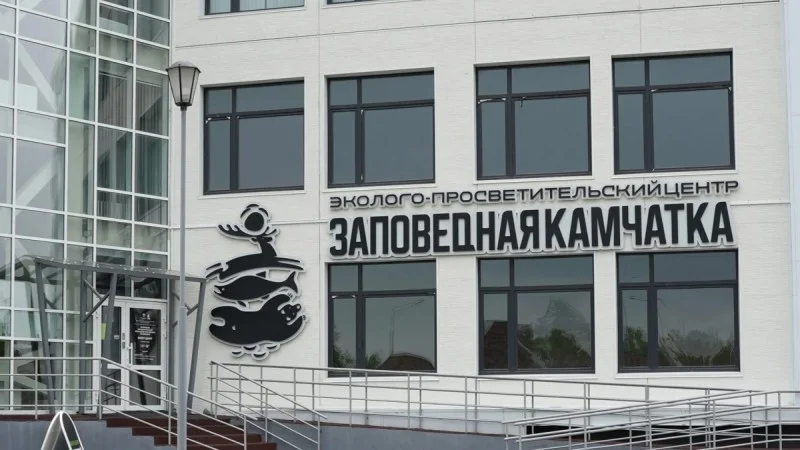
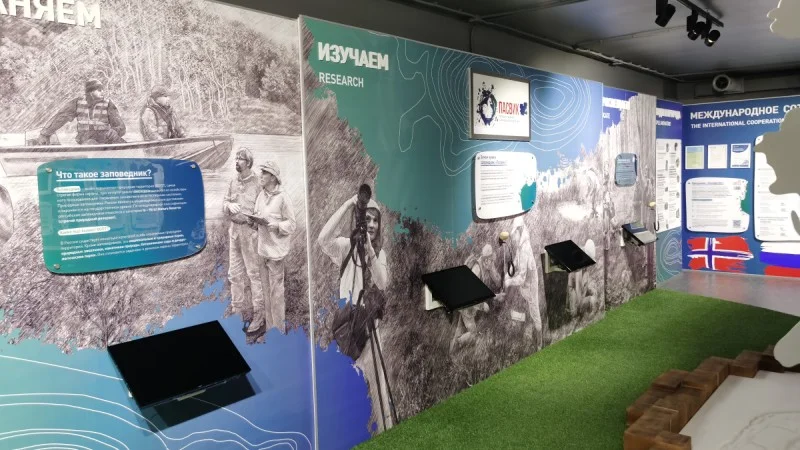
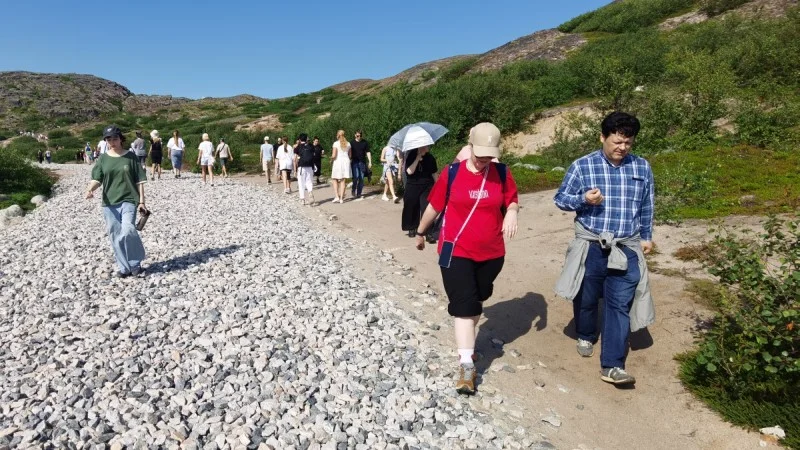
How I Created Tourism Facility Concepts That Work for Business and Nature
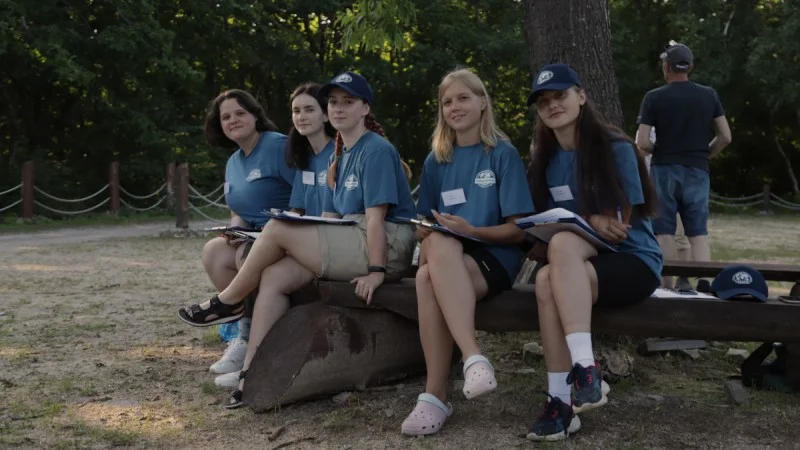
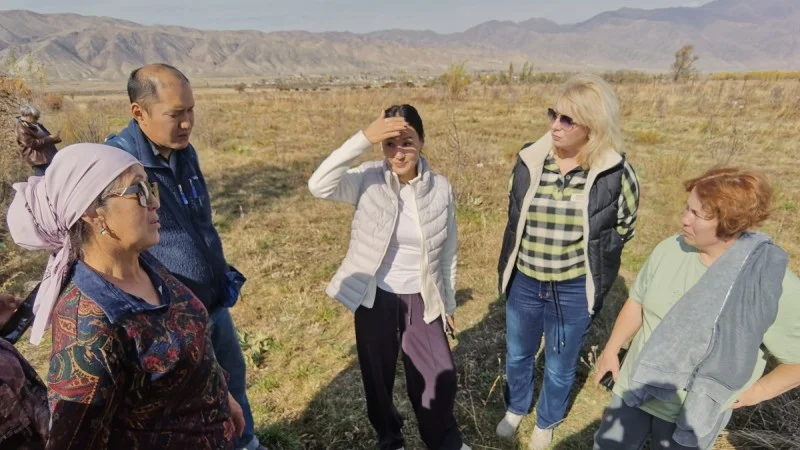
Real projects for tourism business and regional administrations where conservation requirements became an advantage, not a limitation. Each concept started with understanding the economic model and legal framework for sustainable development.
What Will You Get in the End?
Concrete Product and Clarity Instead of Uncertainty
Detailed, Implementable Concept
Not a sketch or presentation, but a developed document that can be handed to contractors, used for obtaining funding and approvals. More than 15 such concepts have been developed, 5 — implemented as working facilities.
Risk Reduction and Resource Savings
You will avoid costly mistakes at the implementation stage because key decisions (including conservation effects) will be calculated and justified in advance.
Legitimacy and Stakeholder Support
A concept created considering the interests of protected areas, local residents, and administration will face less resistance and have more chances for successful launch.
Clear Understanding of Next Steps
You will receive not just an idea, but a scientifically grounded, step-by-step action plan: what to do, in what sequence, on what to pay attention to.
Honestly about the main thing: I create a professional Concept of a tourism product. Its implementation depends on many factors: funding, team, client's will. But with a quality concept you start not from a blank sheet, but with a detailed map that multiplies your chances of success.
Need a Concept That Will Work?
Describe your task: developing a new tourism product, creating a visitor center, planning activity on a natural territory. I'll study the request and tell you how together we can create a concrete, viable concept.
Book a Consultation